
Table of Contents
What Is a Heat Pump Compressor?
A heat pump compressor is the heart of your heat pump system. It’s the part that moves refrigerant through the system to transfer heat. Think of it like the heart in your body that pumps blood. The compressor pumps refrigerant instead of blood, helping to move heat from one place to another.
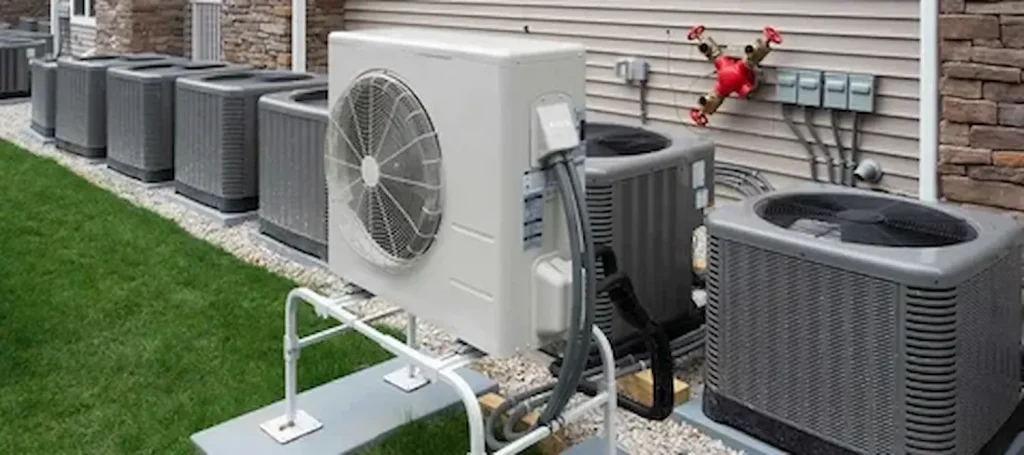
The compressor is usually found in the outdoor unit of your heat pump. It looks like a metal can or cylinder. When your heat pump is running, you can hear the compressor making a humming sound. This is normal.
Heat pump compressors are super important because without them, your heat pump can’t heat or cool your home. When the compressor works right, your home stays comfy all year round. But when it has problems, your whole system might stop working.
How Does a Heat Pump Compressor Work?
The heat pump compressor works by squeezing (compressing) refrigerant gas. When the gas gets squeezed, it gets hot. This is because of a cool science rule: when you compress a gas, its temperature goes up.
Here’s how it works step by step:
1. The compressor sucks in cool, low-pressure refrigerant gas.
2. It squeezes this gas, making it hot and high-pressure.
3. The hot gas then flows through coils where it gives off heat.
4. As the refrigerant cools down, it turns into a liquid.
5. This liquid then expands and gets cold again, ready to pick up more heat.
In summer, your heat pump compressor helps move heat from inside your house to outside, making your home cooler. In winter, it does the opposite – it moves heat from outside air (yes, even cold air has some heat in it!) into your home.
The compressor uses electricity to do all this work. It’s like a powerful pump that keeps the refrigerant moving through the whole system. Without the compressor, the refrigerant wouldn’t flow, and no heat would move.
Types of Heat Pump Compressors
There are several types of heat pump compressors, and each one works a bit differently. Let’s look at the main types:
Reciprocating Compressors
Reciprocating compressors use pistons that move up and down, just like in a car engine. These are common in older heat pumps. They’re like little engines that push the refrigerant through the system.
These compressors are pretty tough and can last a long time. But they can be noisy and use more electricity than newer types. They’re also not as smooth in how they run – they turn on full blast or turn off completely.
Scroll Compressors
Scroll compressors are newer and better. They use two spiral-shaped scrolls – one stays still while the other moves around it. This squeezes the refrigerant between them.
These are much quieter than reciprocating compressors. They also use less electricity and last longer. Most new heat pumps today use scroll compressors because they’re so good.
Rotary Compressors
Rotary compressors use a spinning motion to compress refrigerant. They have a roller that spins inside a cylinder. As it spins, it squeezes the refrigerant against the walls.
These compressors are very smooth and quiet. They’re often used in smaller heat pumps and air conditioners. They’re good at saving energy too.
Variable Speed Compressors
Variable speed compressors are the newest and fanciest type. Instead of just turning on or off, they can run at different speeds depending on how much heating or cooling you need.
These are super efficient because they don’t waste energy. They run at lower speeds most of the time, which saves electricity. They also keep your home’s temperature more steady and comfortable. They cost more upfront but save money over time.
Common Heat Pump Compressor Problems
Even the best heat pump compressors can have problems sometimes. Here are the most common issues you might face:
Compressor Not Starting
Sometimes your compressor might not start at all. This could be because:
– The power supply has a problem
– The start capacitor (a part that helps the compressor turn on) is broken
– The motor inside the compressor is damaged
If your compressor won’t start, you’ll notice your heat pump isn’t heating or cooling at all. This is a serious problem that needs fixing right away.
Compressor Running But Not Cooling/Heating
Sometimes the compressor runs, but your home still isn’t getting comfortable. This might happen because:
– The refrigerant level is too low (there might be a leak)
– The compressor isn’t compressing properly
– The valves inside the compressor are damaged
You might notice your heat pump running longer than usual but not making your home comfortable. This wastes energy and money.
Noisy Compressor
Heat pump compressors make some noise normally, but they shouldn’t be super loud. If you hear unusual sounds like:
– Banging or clanking (metal parts hitting each other)
– Screaming or whistling (refrigerant leaking)
– Grinding (motor problems)
These noises usually mean something is wrong inside the compressor. It’s best to turn off your system and call a professional if you hear these sounds.
Compressor Overheating
Compressors can get too hot if:
– There’s too much refrigerant in the system
– The outdoor unit is dirty or blocked
– The fan that cools the compressor isn’t working right
An overheating compressor might shut itself off to prevent damage. This is called “thermal cutout.” If your heat pump keeps turning off by itself, this might be why.
Frozen Compressor
In winter, your outdoor unit might get covered in ice. A little frost is normal, but thick ice isn’t. This happens when:
– The defrost cycle isn’t working right
– There’s not enough refrigerant
– The outdoor fan has problems
A frozen compressor can’t work properly and might get damaged if it keeps running while frozen.
Maintaining Your Heat Pump Compressor
Taking care of your heat pump compressor helps it last longer and work better. Here are some easy ways to keep your compressor happy:
Regular Cleaning
Keep the area around your outdoor unit clean. Remove leaves, sticks, dirt, and other stuff that might block airflow. The compressor needs good airflow to work right.
You should:
– Clear at least 2 feet of space around the unit
– Gently clean the fins with a soft brush or cloth
– Rinse dirt off with a gentle water spray (turn off power first!)
Do this cleaning a few times a year, especially in fall when leaves are falling.
Professional Maintenance
Have a professional HVAC technician check your heat pump once a year. They will:
– Check refrigerant levels
– Test the compressor’s performance
– Clean parts you can’t reach
– Find small problems before they become big ones
This yearly check-up is like taking your car for an oil change – it helps prevent breakdowns.
Proper Use
How you use your heat pump affects the compressor too:
– Don’t turn the temperature up and down a lot
– Use a programmable thermostat to make temperature changes gradual
– Don’t block vents inside your home
– Change air filters regularly (dirty filters make the compressor work harder)
These simple habits help your compressor work less hard and last longer.
Winter Care
In winter, pay extra attention to your outdoor unit:
– Gently remove snow that piles up on or around the unit
– Make sure the defrost cycle is working (the unit should occasionally melt ice off itself)
– Check that water can drain away from the unit
Good winter care helps prevent freezing problems that can damage the compressor.
When to Replace Your Heat Pump Compressor
Sometimes fixing a compressor isn’t the best choice. Here’s how to know when it’s time for a new one:
Age Considerations
Most heat pump compressors last about 10-15 years. If yours is older than that and having problems, replacement might make more sense than repair.
Older compressors also use more electricity than newer ones. A new, efficient compressor could save you money on energy bills.
Cost Analysis
Replacing just the compressor can cost a lot – often $1,500 to $2,500 or more. If your heat pump is old, it might be smarter to replace the whole system instead of just the compressor.
Think about it like fixing an old car – sometimes buying a new one makes more financial sense in the long run.
Efficiency Upgrades
Newer compressors are much more efficient than old ones. If you replace an old compressor with a new variable-speed one, you might save 20-40% on your heating and cooling costs.
These savings add up over time and help pay for the new equipment. Plus, your home will be more comfortable with steady temperatures.
Environmental Considerations
Older heat pumps might use refrigerants that are being phased out because they harm the environment. Newer systems use better refrigerants that are safer for the planet.
Upgrading to a new system helps reduce your carbon footprint while giving you better comfort.
Frequently Asked Questions About Heat Pump Compressors
How long do heat pump compressors typically last?
Heat pump compressors usually last about 10-15 years with proper maintenance. Scroll compressors tend to last longer than reciprocating ones. Variable speed compressors are newer, but they’re designed to last a long time too.
Regular maintenance can help your compressor reach the upper end of this range or even beyond. Some well-maintained compressors have been known to last 20 years!
How much does it cost to replace a heat pump compressor?
Replacing just the compressor typically costs between $1,500 and $2,500, including parts and labor. The exact price depends on:
– The type and size of compressor
– Your heat pump model
– Your location
– How easy or hard it is to access your unit
Remember that replacing the whole heat pump might cost $4,000-$8,000, so if your system is old, full replacement might be a better value.
Can I replace a heat pump compressor myself?
Replacing a heat pump compressor is not a DIY job. It requires:
– Special tools and equipment
– Knowledge of electrical systems
– Proper handling of refrigerant (which is regulated by law)
– Technical expertise to ensure proper installation
Trying to replace a compressor yourself could be dangerous and might damage your system further. It’s best to hire a licensed HVAC professional.
What causes a heat pump compressor to fail?
Compressors fail for several reasons:
– Normal wear and tear over time
– Electrical problems like power surges
– Low refrigerant levels (makes the compressor work harder)
– Dirty coils (reduces efficiency and strains the compressor)
– Turning the system on and off too frequently
– Manufacturing defects (less common)
Regular maintenance can prevent many of these problems and help your compressor last longer.
How can I tell if my heat pump compressor is bad?
Signs of a bad compressor include:
– The outdoor unit runs but doesn’t heat or cool
– Strange noises coming from the outdoor unit
– Circuit breakers tripping when the heat pump turns on
– The system blows warm air when it should be cooling
– The compressor shuts off quickly after starting
– Higher than normal electric bills
If you notice these signs, it’s best to call a professional for diagnosis.
Is a heat pump compressor covered under warranty?
Most heat pumps come with a warranty that covers the compressor for 5-10 years. Some premium brands offer longer warranties of up to 12 years or even lifetime coverage on compressors.
To keep your warranty valid, you usually need to:
– Register your product after purchase
– Have regular professional maintenance
– Keep records of all maintenance and repairs
– Use only approved replacement parts
Always check your warranty paperwork to understand what’s covered and for how long.
Keeping Your Heat Pump Compressor Running Smoothly
Your heat pump compressor is a hard-working part of your home comfort system. Taking care of it helps it last longer and keeps your energy bills lower.
Remember these key points about heat pump compressors:
– They’re the heart of your heat pump system
– Different types have different benefits
– Regular maintenance prevents many common problems
– Professional help is best for serious issues
– Sometimes replacement makes more sense than repair
By understanding how your compressor works and what it needs, you can enjoy reliable heating and cooling for many years. A well-maintained heat pump keeps your home comfortable in all seasons while using less energy than other heating and cooling options.
Turn to Heat Pump Specialists to Protect Your Compressor
If you’re having issues with your heat pump compressor or it’s time for regular maintenance, don’t wait until it breaks down completely. Contact Accurate Comfort HVAC today to schedule an appointment with our experienced technicians. We can help keep your system running efficiently or advise you on the best replacement options if needed. Your comfort is our priority!