
Table of Contents
Smart thermostats offer many helpful features that make your home more comfortable while saving you money. The best smart thermostat features include smartphone control, learning your schedule, saving energy, voice commands, geofencing, and detailed energy reports. These smart devices can lower your heating and cooling bills by up to 15% by automatically adjusting temperatures when you’re away or asleep. They also make your life easier by letting you control your home’s temperature from anywhere using just your phone.
Today’s smart thermostats do much more than just turn your AC on and off. They work with other smart home devices, tell you when to change your air filter, and even alert you about problems with your HVAC system. Let’s explore these amazing smart thermostat features and see how they can make your home more comfortable and efficient.
Remote Control and Smartphone Access
One of the most useful smart thermostat features is being able to control your home’s temperature from anywhere using your smartphone. This means you can adjust your thermostat even when you’re not at home.
App-Based Control
Smart thermostats come with easy-to-use apps that work on both iPhones and Android phones. These apps let you change the temperature, set schedules, and check how much energy you’re using. You can turn down the heat while you’re at work, then warm up your house before you get home. This is super helpful when your plans change or if you forget to adjust the thermostat before leaving.

Voice Command Compatibility
Many smart thermostats work with voice assistants like Amazon Alexa, Google Assistant, and Apple HomeKit. This means you can say things like “Hey Google, set the temperature to 72 degrees” or “Alexa, turn down the heat.” Voice commands are great when your hands are full or you’re in another room. They make controlling your home’s temperature as easy as talking.
Remote Temperature Sensors
Some smart thermostats come with extra temperature sensors you can put in different rooms. These sensors help fix the problem of some rooms being too hot or too cold. For example, you can put a sensor in your bedroom and tell the thermostat to focus on keeping that room comfortable at night. During the day, it can switch to keeping your living room or home office at the perfect temperature.
Learning and Adaptive Features
Smart thermostats can learn your habits and preferences, making them truly “smart” devices that adjust to your lifestyle.
Schedule Learning
The best smart thermostats learn when you’re home and away without you having to program them. They pay attention to when you adjust the temperature and start to see patterns. After about a week, they can create a schedule that matches your routine. If you wake up at 6 AM on weekdays but sleep in on weekends, your smart thermostat will figure this out and adjust accordingly.
Weather Responsiveness
Smart thermostats check the local weather forecast to make better decisions. If a cold front is coming, they might run your heating system a bit more to prepare. On unusually hot days, they’ll adjust your cooling schedule. This weather awareness helps keep your home comfortable no matter what’s happening outside.
Occupancy Detection
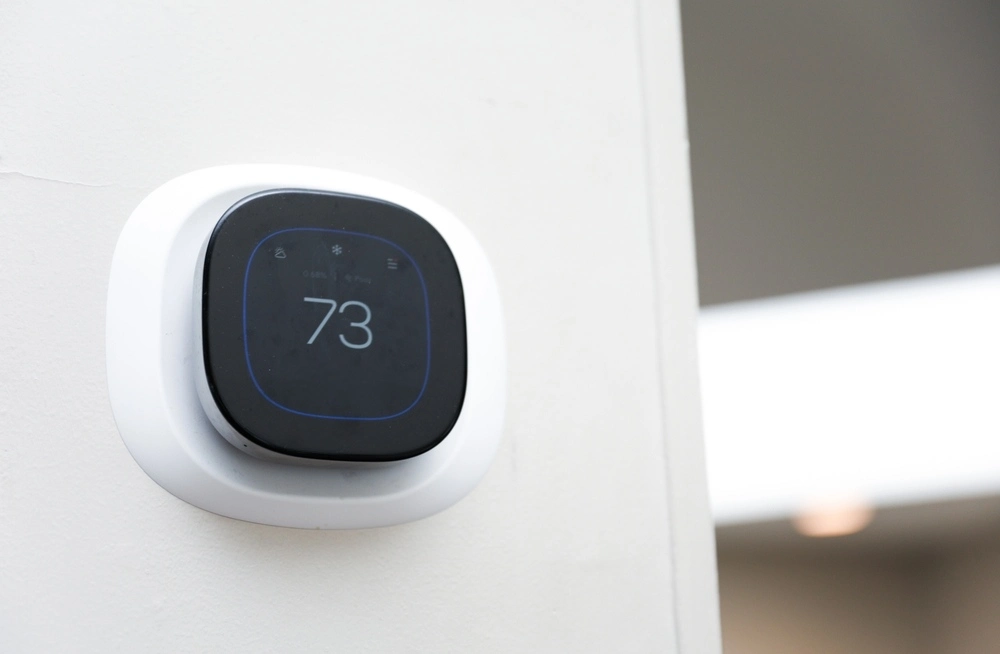
Many smart thermostats have motion sensors or use your phone’s location to tell if someone is home. If no one is around, they’ll switch to “Away” mode to save energy. When they detect movement or know you’re coming home, they’ll return to your comfort settings. Some advanced models can even tell which rooms are being used and focus heating or cooling there.
Energy Efficiency and Savings
Saving money is one of the main reasons people buy smart thermostats. These devices have several features designed to reduce your energy use.
Energy Usage Reports
Smart thermostats track how much energy your heating and cooling systems use. They create easy-to-understand reports that show your energy use by day, week, or month. These reports help you see when you’re using the most energy and give tips for saving more. Some even compare your usage to other homes in your area, so you can see how you’re doing.
Eco/Away Modes
When you’re not home, your thermostat doesn’t need to keep the house perfectly comfortable. Smart thermostats have special “Eco” or “Away” modes that use less energy while you’re gone. These modes let the temperature go a bit higher in summer or lower in winter, but not so much that your pets get uncomfortable or your pipes freeze. When you return, the system quickly brings your home back to your preferred temperature.
Energy Star Certification
Many top smart thermostats have earned Energy Star certification, which means they meet strict energy efficiency guidelines set by the U.S. Environmental Protection Agency. These certified models are tested to make sure they really do save energy. According to Energy Star, certified smart thermostats save an average of 8% on heating and cooling costs, which adds up to about $50 per year for many homes.
Smart Home Integration
Today’s smart thermostats don’t work alone – they can talk to other devices in your home to make everything work better together.
Compatibility with Smart Home Systems
Smart thermostats can connect with popular smart home platforms like Amazon Alexa, Google Home, Apple HomeKit, and Samsung SmartThings. This connection lets you control your thermostat as part of your larger smart home system. You can create routines like “Good Morning” that adjusts your thermostat, turns on lights, and starts your coffee maker all at once.
HVAC System Monitoring
Many smart thermostats keep an eye on your heating and cooling system. They can tell you when it’s time to change your air filter or if they notice something unusual with your system’s performance. Some can even detect potential problems before they become serious and send you alerts. This monitoring helps your HVAC system run more efficiently and can prevent costly breakdowns.

Works with Other Smart Devices
Smart thermostats can work together with other smart devices in your home. For example, they can connect with smart ceiling fans to use air circulation instead of AC when possible. They can also work with smart blinds to block out hot sun in summer or let in warming sunlight in winter. Some even connect with smart vents to direct airflow where it’s needed most in your home.
Advanced Comfort Features
Beyond basic temperature control, smart thermostats offer features that make your home more comfortable.
Humidity Control
Many smart thermostats can monitor and help control the humidity in your home. They work with whole-home humidifiers and dehumidifiers to keep moisture levels in the comfortable range. The right humidity level makes your home feel better at any temperature and can help prevent problems like mold growth or dry skin.
Geofencing Technology
Geofencing uses your smartphone’s location to create a virtual boundary around your home. When you cross this boundary leaving home, your thermostat automatically switches to away mode. When you return and cross the boundary again, it starts making your home comfortable before you even walk through the door. This happens automatically without you needing to remember to adjust settings.
Time-to-Temperature Estimates
Have you ever wondered how long it will take to cool down your hot house? Smart thermostats can tell you exactly how long it will take to reach your desired temperature. If you set the temperature from 78 to 72 degrees, your thermostat might show “25 minutes to target.” This feature helps set realistic expectations and prevents the common mistake of setting extreme temperatures thinking it will cool or heat your home faster.
Installation and Maintenance Features
Smart thermostats include helpful features that make them easier to set up and maintain.
Easy DIY Installation
Most smart thermostats are designed for easy installation. They come with step-by-step instructions and often have companion apps that guide you through the process. Many homeowners can install their smart thermostat in about 30 minutes without needing special tools or skills. The packaging usually includes everything you need, including a screwdriver and labels for your wires.
Maintenance Reminders
Your HVAC system needs regular maintenance to work efficiently. Smart thermostats can remind you when it’s time to change air filters, schedule professional maintenance, or perform other important tasks. These reminders help extend the life of your expensive heating and cooling equipment and keep it running at peak efficiency.

Software Updates
Unlike old thermostats that never change, smart thermostats get better over time through software updates. These updates add new features, fix bugs, and improve security. Most updates happen automatically over your home’s internet connection, so your thermostat always has the latest improvements without you having to do anything.
Frequently Asked Questions About Smart Thermostat Features
How much money can a smart thermostat really save?
Most homeowners save between 8-15% on heating and cooling costs with a smart thermostat. For the average home, this means about $50-$150 per year in savings. Your actual savings depend on your previous habits, local climate, and energy prices.
Do smart thermostats work with all HVAC systems?
Most smart thermostats work with conventional forced-air systems, heat pumps, and radiant systems. However, they may not be compatible with proprietary or very old systems. Check the thermostat manufacturer’s compatibility tool before purchasing.
What happens if my internet goes out?
If your internet connection fails, your smart thermostat will continue to operate using its last programmed schedule. You won’t be able to control it remotely until the internet returns, but it will still maintain your home’s temperature.
Can I install a smart thermostat myself?
Yes, most homeowners can install a smart thermostat themselves in about 30 minutes. The process usually involves turning off power to your HVAC system, removing the old thermostat, connecting a few wires, and following the setup instructions in the app.
Do smart thermostats work with voice assistants?
Yes, most popular smart thermostats work with Amazon Alexa, Google Assistant, and Apple HomeKit. This allows you to control your thermostat with voice commands like “Set the temperature to 72 degrees.”
Can smart thermostats detect when I’m home?
Yes, smart thermostats use several methods to detect occupancy. Some use motion sensors built into the thermostat, others use remote sensors placed around your home, and many use geofencing with your smartphone to know when you’re home or away.
Take Control of Your Home Comfort Today
Smart thermostat features have come a long way in recent years. These devices now offer incredible convenience, significant energy savings, and enhanced comfort for your home. From smartphone control and learning your schedule to working with other smart home devices, today’s smart thermostats are truly impressive.
If you’re still using an old manual or basic programmable thermostat, you’re missing out on all these amazing benefits. A smart thermostat is one of the easiest and most effective upgrades you can make to improve your home’s comfort and efficiency.
Ready to experience the benefits of smart thermostat features in your home? Contact Accurate Comfort HVAC today for expert advice on choosing and installing the perfect smart thermostat for your needs. Our professional technicians can help you select the right model, ensure it’s compatible with your system, and set it up for maximum efficiency. Call us now to schedule an appointment and take the first step toward a smarter, more comfortable home!