
Table of Contents
The HVAC condenser coil is a vital part of your air conditioning system that releases heat from your home to the outside. It works like a radiator, helping your AC cool your home. Without a working condenser coil, your air conditioner can’t do its job properly. This important component sits inside the outdoor unit of your AC system and plays a key role in the cooling process.
When your HVAC condenser coil gets dirty or damaged, your system has to work harder. This means higher energy bills and a shorter life for your air conditioner. Regular maintenance of your condenser coil can save you money and keep your home comfortable all summer long.
In this guide, we’ll explain everything you need to know about HVAC condenser coils. You’ll learn how they work, how to maintain them, and when to call a professional for help.
What Is an HVAC Condenser Coil?
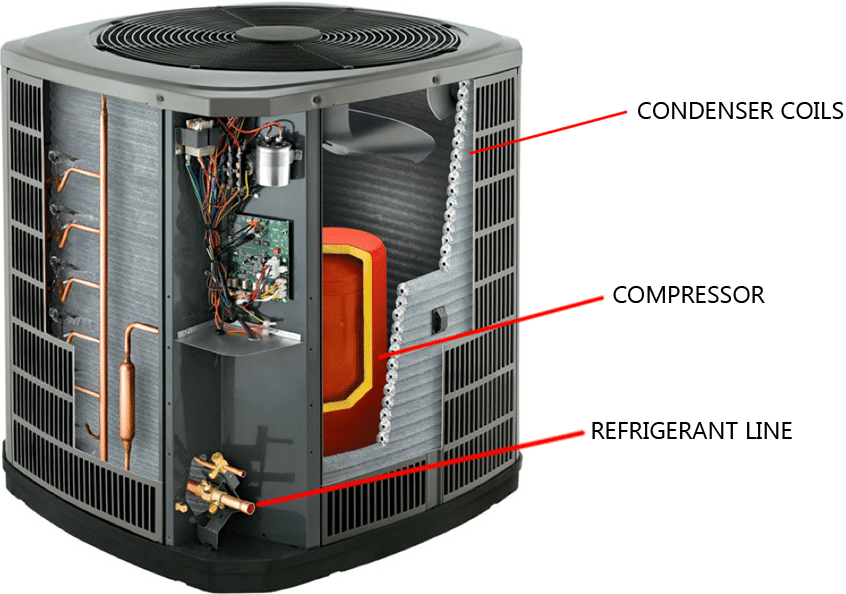
An HVAC condenser coil is a series of tubes and fins that sits inside your air conditioner’s outdoor unit. It looks like a maze of copper or aluminum pipes surrounded by thin metal fins. The coil is where the magic of cooling happens – it’s the part that releases heat from your home to the outside air.
Think of your HVAC condenser coil as the opposite of a car radiator. While a radiator cools down your car’s engine by releasing heat, your condenser coil cools your home by releasing heat outside. Without this important part, your air conditioner would just be moving hot air around your house.
The condenser coil is made of materials that transfer heat well, usually copper tubes with aluminum fins. These materials help the coil quickly move heat from the refrigerant inside the tubes to the outside air. The more efficiently this happens, the better your AC works and the less energy it uses.
How Condenser Coils Work
Your HVAC condenser coil works as part of a team with other AC components to cool your home. The process starts when warm air from your home passes over the evaporator coil inside your house. The refrigerant in the evaporator coil absorbs heat from this air, making the air cooler before it blows back into your rooms.
After absorbing heat, the refrigerant travels to the outdoor unit where the condenser coil is located. When it reaches the condenser coil, the refrigerant is hot and under high pressure. As it moves through the coil, a fan blows outside air across the coil, which helps release the heat from the refrigerant to the outside.
The Cooling Cycle Explained
Let’s break down the cooling process step by step:
- The compressor squeezes the refrigerant, making it hot and high-pressure.
- This hot refrigerant flows into the condenser coil.
- The outdoor fan blows air across the condenser coil.
- The refrigerant releases heat to the outside air and changes from a gas to a liquid.
- The cooled liquid refrigerant then flows back inside to the evaporator coil.
- The cycle repeats, continuously removing heat from your home.
This process is happening constantly while your AC is running. The HVAC condenser coil must be clean and in good condition for this heat transfer to work efficiently. If the coil is dirty or damaged, your system has to work harder, using more energy and potentially breaking down sooner.
Signs of Condenser Coil Problems
Your HVAC condenser coil might be having issues if you notice certain warning signs. Catching these problems early can save you from expensive repairs or having to replace your entire AC system. Here are the most common signs that your condenser coil needs attention:
Reduced Cooling Performance
If your home isn’t getting as cool as it used to, your condenser coil might be the culprit. When the coil is dirty or damaged, it can’t release heat properly. This means less cooling power for your home. You might notice that your AC runs longer but doesn’t cool as well as before.
Another sign is uneven cooling in your home. Some rooms might feel comfortable while others stay warm. This happens because your system can’t produce enough cool air to reach all areas of your house when the condenser coil isn’t working right.
Higher Energy Bills
A spike in your electric bill during cooling season often points to condenser coil problems. When the coil can’t release heat efficiently, your system works harder and longer to cool your home. This extra work means more electricity use and higher bills.
Many homeowners don’t realize their AC is using more energy until they see their bill. If your energy costs have gone up without a change in how you use your AC, it’s worth checking your condenser coil.
Strange Noises or Smells
Unusual sounds coming from your outdoor unit could signal condenser coil issues. You might hear hissing or bubbling noises if there’s a refrigerant leak in the coil. Banging or rattling could mean that the coil or surrounding parts are loose or damaged.
Bad smells, especially a burning odor, can indicate that your system is overheating because the condenser coil isn’t working properly. If you notice any strange smells coming from your AC, turn it off and call a professional right away.
Ice Formation
Ice on your outdoor unit is a clear sign of trouble. When your HVAC condenser coil can’t release heat properly, the refrigerant gets too cold and can cause ice to form. This might look like frost or solid ice covering parts of your outdoor unit.

Ice formation creates a vicious cycle – the ice makes the coil work even less efficiently, which leads to more ice. If you see ice on your AC, turn it off to let it thaw and call a technician to find the root cause.
Maintaining Your Condenser Coil
Regular maintenance of your HVAC condenser coil can prevent many common problems and extend the life of your air conditioning system. Here are some essential maintenance tasks that will keep your condenser coil working efficiently:
Regular Cleaning
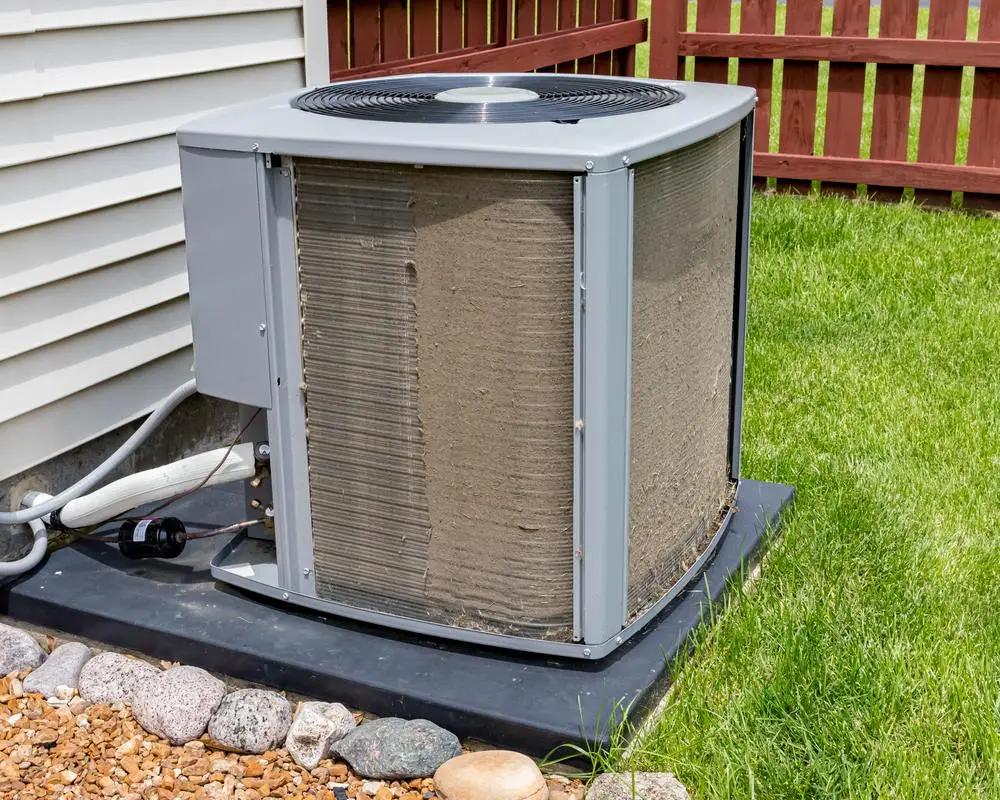
Cleaning your condenser coil is the most important maintenance task you can do. Dirt, leaves, grass clippings, and other debris can build up on the coil and block airflow. This makes it harder for the coil to release heat, forcing your system to work harder.
You should clean your condenser coil at least once a year, ideally before the start of cooling season. Here’s a simple way to do it:
- Turn off power to your AC at the breaker box.
- Remove large debris like leaves and twigs by hand.
- Use a soft brush to gently remove dirt from the fins.
- Spray the coil with a commercial coil cleaner or a mild detergent mixed with water.
- Let the cleaner sit for a few minutes, then rinse with a gentle spray of water.
Be careful not to bend the delicate fins on the coil. If you’re not comfortable doing this yourself, a professional HVAC technician can clean your coil as part of a regular maintenance visit.
Keeping the Area Clear
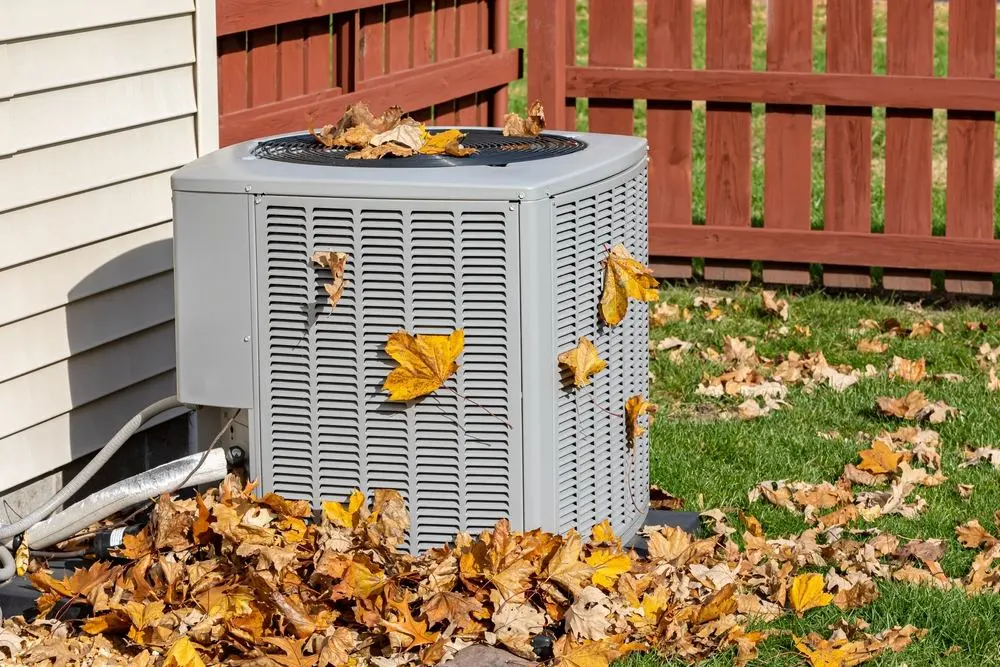
The space around your outdoor unit needs to be clear for good airflow. Plants, debris, or objects too close to the unit can block air and make your condenser coil work less efficiently. This simple step can make a big difference in how well your AC works.
Keep at least 2 feet of clear space around all sides of your outdoor unit. Trim back bushes, grass, and other plants regularly. Never stack items like garden tools or toys on or against your AC unit, even during winter when you’re not using it.
Professional Maintenance
While there are things you can do yourself, having a professional check your HVAC condenser coil once a year is important. A trained technician can spot problems you might miss and has the tools to do a more thorough cleaning and inspection.
During a professional maintenance visit, the technician will:
- Clean the condenser coil thoroughly
- Check for refrigerant leaks
- Test the pressure in the system
- Straighten bent fins
- Make sure all parts are working together properly
This professional care helps prevent breakdowns and keeps your system running efficiently. Many HVAC companies offer maintenance plans that include regular check-ups at a lower cost than individual service calls.

When to Replace Your Condenser Coil
Even with good maintenance, HVAC condenser coils don’t last forever. Knowing when to repair versus replace can save you money and prevent comfort problems in your home. Here are some situations when replacement might be the better option:
Age of Your System
Most air conditioning systems last about 15-20 years. If your condenser coil fails and your system is already near the end of its expected life, replacing the entire unit often makes more sense than just replacing the coil. New systems are more energy-efficient and can save you money on utility bills.
The age of your system also affects the availability of parts. If your AC is older, finding the right replacement coil might be difficult or expensive. In these cases, a full system replacement is usually the more practical choice.
Extent of Damage
Some types of condenser coil damage are more serious than others. Small leaks can sometimes be repaired, but extensive damage usually requires replacement. If your coil has multiple leaks, severe corrosion, or physical damage from impact, replacement is typically the best option.
The cost of repairs versus replacement is another factor to consider. If the repair cost is more than half the price of a new unit, most HVAC professionals will recommend replacement. This is especially true for older systems where other components might also be nearing the end of their life.
Refrigerant Type
If your system uses R-22 refrigerant (also known as Freon), replacing rather than repairing the condenser coil is usually better. R-22 has been phased out due to environmental concerns, making it very expensive and increasingly difficult to find.
Newer systems use more environmentally friendly refrigerants like R-410A. If your old R-22 system needs a new condenser coil, it’s usually more cost-effective to upgrade to a new system that uses the current refrigerant standard.
Frequently Asked Questions About HVAC Condenser Coils
How long do HVAC condenser coils last?
With proper yearly maintenance and protection from harsh outdoor elements, your HVAC condenser coils can last between 10 and 15 years. Homes in coastal or polluted areas may see a shorter lifespan due to environmental stress on the coils.
Can I clean my condenser coil myself?
Yes, but only if you’re comfortable handling basic tasks and remember to shut off the power first for safety. Use a soft brush and gentle rinse to clear debris, but if you see damage or heavy buildup, it’s smarter to let a technician handle it properly.
How much does it cost to replace a condenser coil?
Replacing an HVAC condenser coil usually runs between $900 and $2,800 depending on your system and the refrigerant type. For older systems, full unit replacement is often more cost-effective than just replacing a failing coil.
Why is my condenser coil freezing up?
Your condenser coil may freeze due to low refrigerant, a clogged filter, or restricted airflow—common issues that can strain your system. Let it thaw, replace your air filter, and call a pro if it happens again to prevent further damage.
How often should I have my condenser coil professionally cleaned?
Most systems need a professional cleaning at least once a year, ideally before the heavy cooling season starts. If you live in a dusty area or have pets, scheduling it twice a year may keep your HVAC running smoother and cleaner.
Can a dirty condenser coil cause my AC to stop working?
Yes, a severely dirty HVAC condenser coil can cause your entire air conditioning system to shut down. When the coil gets clogged with dirt and debris, it can’t release heat properly. This makes your system work harder and can trigger safety switches that shut off the unit to prevent damage.
Conclusion About Your Coil Condenser
Don’t wait until your air conditioner stops working to think about your HVAC condenser coil. Regular maintenance and prompt attention to problems will keep your system running efficiently and extend its life. If you’re experiencing issues with your air conditioning or haven’t had your system checked recently, consider scheduling a professional inspection today. A small investment in maintenance now can prevent costly repairs or replacement later and keep your home comfortable all year long. Contact Accurate Comfort Air Conditioning and Heating today!