
What Is an AC Capacitor and Why Is It Important?
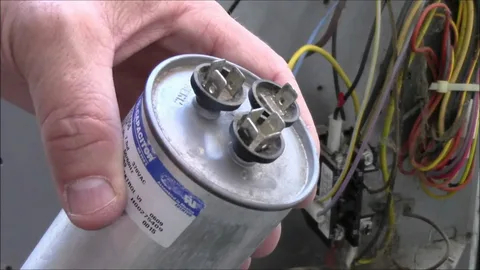
An AC capacitor is a small, cylinder-shaped part that stores and releases electrical energy to help your air conditioner start up and run. Think of it like a battery that gives your AC the extra power it needs. Without a working capacitor, your air conditioner won’t turn on or will struggle to keep running.
This small part plays a big role in your home’s comfort. The capacitor gives the initial boost of electricity to start the motors in your AC system. It’s like the starter in a car – without it, your vehicle won’t run. In the same way, a bad capacitor means your AC won’t work right.
Most AC units have two main capacitors. The start capacitor gives the first jolt of power to get the motors moving. The run capacitor keeps the motors running smoothly after they’ve started. Both are crucial for your air conditioner to work properly.
Capacitors typically last 10-20 years, but heat, age, and power surges can make them fail sooner. When a capacitor starts to go bad, your AC might make strange noises, struggle to start, or stop cooling your home well.
Let’s learn more about these important parts and how to tell when they need attention.
How AC Capacitors Work in Your Cooling System
AC capacitors work by storing electrical energy and releasing it when needed. They’re like tiny power banks for your air conditioner. When your thermostat tells your AC to turn on, the capacitor sends a strong burst of electricity to get the motors moving.
Inside a capacitor are two metal plates with an insulating material between them. When electricity flows in, it creates an electrical field that stores energy. This energy gets released when your AC needs that extra boost of power.
Your air conditioner has several motors that need capacitors:
- The compressor motor (the heart of your AC)
- The outdoor fan motor (keeps the condenser cool)
- The indoor blower motor (pushes cool air through your home)
Each of these motors might have its own capacitor, or they might share one. The capacitor helps these motors overcome the initial resistance when starting up. Without this help, the motors would pull too much electricity from your home’s power supply and could trip breakers or damage the system.
Once the motors are running, the run capacitor helps keep them working smoothly. It provides a steady stream of power that helps the motors run efficiently. This is especially important during hot days when your AC is working harder.
Signs Your AC Capacitor Is Failing
Knowing when your AC capacitor is going bad can save you from a complete system breakdown. Here are the most common warning signs to watch for:
1. AC Won’t Turn On
If your air conditioner doesn’t start at all, a failed capacitor could be the culprit. You might hear a humming sound, but nothing happens. This happens because the motor is trying to start but can’t get the power boost it needs from the capacitor.
2. AC Takes a Long Time to Start
When your AC hesitates or takes several tries to start up, your capacitor might be weakening. It’s still working, but not providing enough power on the first try. This puts extra strain on your system and wastes electricity.
3. AC Shuts Off Unexpectedly
If your air conditioner starts normally but then shuts off without cooling your home, the run capacitor might be failing. Without the steady power from the run capacitor, the motors can’t keep running properly.
4. Humming Noises
A loud humming sound from your outdoor unit often means the motor is trying to run but can’t get enough power from the capacitor. This is a clear sign you need a capacitor replacement soon.
5. Higher Energy Bills
When a capacitor starts failing, your AC system works harder and uses more electricity to do the same job. If you notice your energy bills climbing without using your AC more, check your capacitor.
6. AC Not Cooling Well
A weak capacitor means your AC can’t run at full power. This leads to poor cooling performance, with your home staying warmer than it should even when the AC is running.
If you notice any of these signs, it’s best to call a professional HVAC technician right away. Continuing to run your AC with a bad capacitor can damage other, more expensive parts of your system.
Types of AC Capacitors and Their Functions
Not all AC capacitors are the same. Understanding the different types can help you know what your system needs when it’s time for a replacement.
Start Capacitors vs. Run Capacitors
Start capacitors provide a large burst of energy to help motors start turning. They work for just a few seconds during startup, then disconnect once the motor is running. They’re larger and have higher capacitance values (measured in microfarads or μF).
Run capacitors are smaller and provide continuous power while the AC is running. They help the motor run efficiently and smoothly. Run capacitors work the entire time your AC is on, so they need to be durable.
Some systems use a dual capacitor, which combines both start and run functions in one unit. This saves space and simplifies the system.
Capacitor Sizes and Ratings
Capacitors come in different sizes based on how much electrical charge they can store. This is measured in microfarads (μF). Common AC capacitor sizes range from 5 μF to 80 μF.
They also have voltage ratings, typically 370V or 440V for home AC units. Using a capacitor with the wrong μF rating or voltage can damage your system or cause the capacitor to fail quickly.
When replacing a capacitor, it’s crucial to match both the microfarad rating and the voltage rating of the original. This information is usually printed on the side of the capacitor itself.
Dual-Run Capacitors
Many modern AC units use dual-run capacitors. These special capacitors have three terminals instead of two and can power two different motors at once. They’re like having two capacitors in one unit.
For example, a 40/5 μF dual capacitor provides 40 microfarads to the compressor and 5 microfarads to the fan motor. This saves space and reduces the number of parts that could fail.
Using the right type of capacitor for your specific AC model is essential for proper operation and longevity of your system.
DIY vs. Professional Capacitor Replacement
When your AC capacitor fails, you might wonder if you can replace it yourself or if you should call a professional. Let’s look at both options.
Safety Concerns with DIY Replacement
Capacitors store electrical charge even when the power is off. This makes them dangerous to handle if you don’t know what you’re doing. A charged capacitor can deliver a powerful electric shock.
Before attempting any DIY replacement, you must:
- Turn off power to the AC at the breaker box
- Wait at least 30 minutes for the capacitor to discharge
- Use insulated tools and rubber gloves
- Know how to safely discharge a capacitor
Without proper training, you risk serious injury or even death. You could also damage other parts of your expensive AC system.
When to Call a Professional
For most homeowners, calling a professional HVAC technician is the safest option. Professionals have:
- Proper safety equipment and training
- Experience identifying the right replacement part
- Tools to test if the capacitor is truly the problem
- Knowledge to check for other issues while they’re there
A professional can also warranty their work, giving you peace of mind that the job was done right.
Cost Comparison
While DIY might seem cheaper at first glance, consider these factors:
DIY costs:
- Capacitor: $10-$30
- Tools you might not have: $20-$50
- Risk of injury: Potentially priceless
- Risk of further damage to AC: $100s to $1000s
Professional costs:
- Service call plus capacitor replacement: $150-$400
- Peace of mind: Included
- Professional diagnosis of any other issues: Included
- Warranty on parts and labor: Included
For most homeowners, the professional route is worth the extra cost for safety and reliability. However, if you have electrical experience and understand the risks, DIY replacement is possible with extreme caution.
Extending the Life of Your AC Capacitor
While capacitors eventually wear out, there are ways to help them last longer. These simple steps can save you money and prevent inconvenient breakdowns.
Regular Maintenance Tips
Schedule yearly AC tune-ups with a professional. During these visits, technicians check capacitor performance and can spot early signs of failure.
Keep the area around your outdoor unit clean and free of debris. Good airflow helps prevent overheating, which can damage capacitors.
Install a surge protector for your HVAC system. Power surges are a common cause of early capacitor failure. A whole-house surge protector can shield your AC and other appliances.
Protecting Against Power Surges
Power surges from lightning strikes or power grid issues can instantly destroy capacitors. To protect your system:
- Install a dedicated surge protector for your HVAC system
- Consider a whole-house surge protection system
- During thunderstorms, turn off your AC if possible
These protective measures cost far less than repeated capacitor replacements or major AC repairs.
Optimal Operating Conditions
Your AC works best when it’s not struggling against extreme conditions:
- Keep the area around your outdoor unit shaded if possible
- Make sure nothing blocks airflow around the unit
- Clean or replace air filters monthly during heavy use
- Set your thermostat at reasonable temperatures (78°F is recommended in summer)
When your AC doesn’t have to work as hard, all components—including capacitors—last longer. This simple care can add years to your system’s life.
Frequently Asked Questions About AC Capacitors
How much does it cost to replace an AC capacitor?
The cost to replace an AC capacitor typically ranges from $150 to $400. This includes both the part and labor. The exact price depends on your location, the type of capacitor your system needs, and how difficult it is to access. While the capacitor itself might only cost $10-$30, the professional installation ensures it’s done safely and correctly.
How long do AC capacitors typically last?
Most AC capacitors last between 10-20 years under normal conditions. However, factors like heat, power surges, and how often your AC runs can shorten this lifespan. In very hot climates where air conditioners run constantly, capacitors might need replacement every 5-8 years. Regular maintenance can help identify weakening capacitors before they fail completely.
Can I run my AC with a bad capacitor?
No, you should not run your AC with a bad capacitor. Attempting to run your system with a failing capacitor can cause serious damage to the motors and other expensive components. The motors will try to start without enough power, causing them to overheat and potentially burn out. This could turn a simple $200 capacitor replacement into a $2,000+ repair bill.
How can I tell if my AC capacitor is bad without testing equipment?
Without testing equipment, look for these signs of a bad capacitor:
- AC won’t start or takes multiple tries to start
- Humming sound from the outdoor unit
- AC shuts off unexpectedly
- The outdoor fan doesn’t spin or spins slowly
- A visible bulge or leak on the capacitor itself (if you can safely see it)
If you notice any of these symptoms, it’s best to call a professional for proper diagnosis.
Are there different quality levels of replacement capacitors?
Yes, capacitor quality varies significantly. Budget capacitors might cost less initially but often fail sooner. Premium capacitors from reputable manufacturers like Genteq, Packard, or Mars typically last longer and perform better under stress. Professional HVAC companies usually install higher-quality capacitors than what’s available to consumers online. The difference in price is usually small compared to the added reliability.
Can a lightning strike damage my AC capacitor?
Absolutely. Lightning strikes and the power surges they create are major causes of capacitor failure. Even lightning that strikes nearby power lines can send a surge through your home’s electrical system that damages capacitors. This is why surge protection is so important for your HVAC system, especially in areas with frequent thunderstorms.
When to Replace vs. Repair Your AC System
Sometimes a failing capacitor signals bigger issues with your air conditioner. Here’s how to decide whether to simply replace the capacitor or consider a whole new system.
Age Considerations
If your AC system is less than 10 years old and the capacitor is the only issue, replacement makes sense. Modern air conditioners typically last 15-20 years with proper maintenance.
For systems over 15 years old, a failing capacitor might be just one of several aging components. In this case, replacing the entire system could be more cost-effective in the long run. Newer systems are also much more energy-efficient, potentially saving you money on monthly bills.
Frequency of Repairs
If this is your first capacitor replacement, it’s probably just normal wear and tear. However, if you’ve replaced the capacitor multiple times in a short period, this indicates a deeper problem with your system.
Follow this rule of thumb: If repair costs exceed 50% of a new system’s price, or if you’ve had more than two major repairs in two years, replacement is usually the better option.
Energy Efficiency Benefits
Even if your old system is working after a capacitor replacement, it’s likely much less efficient than newer models. Today’s air conditioners use up to 50% less energy than models from just 10-15 years ago.
Upgrading to a high-efficiency system might cost more upfront but can save hundreds of dollars annually on energy bills. Plus, many utility companies offer rebates for energy-efficient upgrades, reducing your initial investment.
When making this decision, consider having a professional perform a cost-benefit analysis comparing continued repairs versus replacement. They can help you understand the long-term financial impact of each option.
Conclusion: Keeping Your AC Running Smoothly
The AC capacitor may be small, but it plays a huge role in keeping your home cool and comfortable. Understanding this part helps you spot problems early and make smart decisions about repairs.
Remember these key points about AC capacitors:
- They provide the electrical boost needed to start and run your AC motors
- Warning signs include trouble starting, strange noises, and poor cooling
- Professional replacement is usually safer and more reliable than DIY
- Regular maintenance and surge protection can extend capacitor life
By paying attention to how your air conditioner performs and addressing small issues before they become big problems, you can avoid uncomfortable breakdowns and expensive emergency repairs.
When your AC capacitor does need attention, don’t wait. A simple capacitor replacement now can prevent damage to other, more expensive parts of your system.
Ready to ensure your air conditioner stays in top shape? Contact Accurate Comfort HVAC today to schedule a professional inspection or maintenance visit. Our experienced technicians can check your capacitor’s health, replace it if needed, and make sure your entire system is running efficiently. Don’t wait for a breakdown on the hottest day of the year—call us today to keep your cool all summer long!