
Table of Contents
Are you tired of sky-high electricity bills? Is keeping your home comfortable year-round becoming a struggle? This heat pump overview explores how these systems offer a solution to these common homeowner headaches. Understanding heat pumps empowers you to make informed decisions about home climate control.
What exactly is a heat pump? It’s a climate control system transferring heat rather than generating it, increasing energy efficiency. Heat pumps offer consistent comfort year-round.
This heat pump overview delves into how heat pumps operate, their benefits and drawbacks, available types, installation considerations, and maintenance tips. Let’s explore if they’re right for your family.
How Heat Pumps Work
A heat pump works like a refrigerator in reverse. During summer, it extracts heat from your home and moves it outside. This cools the indoor air.
In winter, the cycle reverses—it pulls heat from the outside air (even in cold temperatures) and transfers it indoors, providing warmth. This two-way heat transfer is what sets heat pumps apart from traditional heating systems and air conditioners.
Heat Pumps in the Summer
In summer, refrigerant absorbs heat from your home’s air, turning it into a gas.
This gas flows to the compressor, where it heats up further. The heat is then transferred outdoors, converting the refrigerant back into liquid to restart the cycle.
Heat Pumps in the Winter
In winter, the cycle reverses. The refrigerant absorbs heat from the outdoor air, even in freezing temperatures where some thermal energy remains.
The refrigerant is pressurized into a gas, entering the indoor air handler. Here, it releases heat, warming your home. The refrigerant then turns back into a liquid, repeating the process.

Types of Heat Pumps
Choosing the right heat pump depends on your climate, budget, and available space.
Air-Source Heat Pumps
These are the most common type. Air-source heat pumps transfer heat between your home and the outdoor air.
They are generally more affordable but can be less efficient in extremely cold climates. Today’s models can still dramatically reduce electricity usage, saving up to 75% compared to traditional electric heating and improving energy management overall.
These include different kinds of heat pumps.
Geothermal Heat Pumps
Geothermal heat pumps exchange thermal energy with the ground using groundwater. They use a ground heat exchanger for this process.
While the initial cost is higher (between $3,000 – $6,000), they offer higher energy efficiency due to consistent ground temperatures. This system can act like a reverse cycle chiller when cooling your house.
Geothermal heat pumps usually recoup costs through energy savings. Larger homes may need multiple units to maintain comfortable temperatures, balancing cooling capacity and supplementary heat requirements during colder months.
Ductless Mini-Split Heat Pumps
Ductless mini-splits are perfect for homes without ductwork. They consist of an outdoor unit and one or more indoor units mounted on walls. This offers zoned heating and cooling, known as “ductless” heat pump units, customizing indoor temperatures for improved comfort and potentially lowering operating costs.

Heat Pump Overview: Benefits and Drawbacks
Like any appliance, heat pumps have pros and cons. Understanding both helps manage expectations.
Benefits of Heat Pumps
Heat pumps offer significant energy efficiency, potentially lowering operating costs and improving overall energy management. They also improve indoor air quality by filtering the air during heat exchange.
Their variable speed fans can allow more humidity control compared to furnaces, while radiant floor heating can further complement the heat distribution from the heat pump.
Drawbacks of Heat Pumps
Higher upfront costs can be a barrier.
Effectiveness in extreme temperatures varies based on the unit’s design and technology, impacting heating season comfort and heat transfer.
Heat pump repairs can occur if not properly maintained, requiring the need for liquid refrigerant checks, coil maintenance, and monitoring of the variable speed components within the pump systems. The systems collect heat, even in cold outdoor temperatures to produce heat energy and heat exchange using the heat exchanger for both floor heating and radiant floor heating.
Ground-source heat or ground-source heat pump can be better options as they extract the heat from deep underground instead of from the air outside where it’s often below freezing. Geothermal heat and geothermal heat pumps use the ground as well while a common air-source heat pump extracts heat from outdoor air which can sometimes result in more supplementary heat if outside it’s frigid.
Heat Pump Overview: Installation Considerations
A heat pump overview helps explore installation factors.
Proper heat pump sizing depends on factors like square footage, climate, and insulation quality.
Professional heat pump installation is crucial for optimal performance. Consider the preparation, planning, and permits involved.
Depending on factors like efficiency ratings and location, financial assistance may be available.
Heat Pump Maintenance
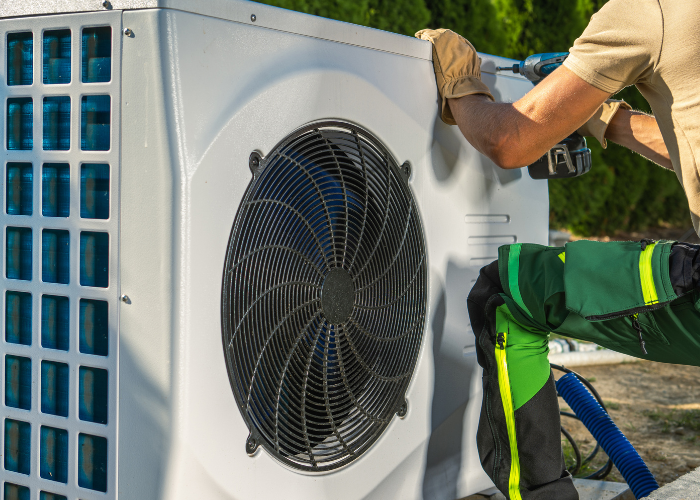
Regular maintenance keeps your heat pump system efficient and extends its lifespan.
Routine tasks include cleaning or replacing air filters, checking refrigerant levels, and ensuring coils are clean. Simple maintenance significantly impacts your system’s efficiency.
Neglected systems can lose efficiency. This could lead to more repairs.
Frequently Asked Questions About Heat Pumps
What makes a heat pump more energy-efficient than traditional HVAC systems?
A heat pump doesn’t generate heat—it transfers it—making it significantly more efficient than standard HVAC systems. This method reduces energy consumption and lowers monthly utility bills while delivering consistent comfort all year.
Can heat pumps work in freezing temperatures during winter months?
Yes, heat pumps are designed to operate even in cold weather by extracting heat from the outside air. However, efficiency varies by model, and in extremely low temperatures, some systems may require supplemental heating support.
Is a ductless mini-split heat pump a good solution for homes without ducts?
Absolutely, ductless heat pumps are ideal for homes without existing ductwork. They offer zone-based heating and cooling, allowing greater control over indoor temperatures while improving efficiency and comfort.
What maintenance tasks are essential for keeping my heat pump efficient?
Routine maintenance includes replacing air filters, cleaning coils, and checking refrigerant levels to keep your system running efficiently. Neglecting maintenance can lead to costly repairs and reduced performance over time.
Conclusion
This heat pump overview reveals why heat pumps are transformative for homeowners.
They reduce electricity bills and deliver consistent comfort year-round.
While upfront costs exist, the long-term benefits of efficiency, air quality, and reduced reliance on traditional heating make heat pumps a financially and environmentally sound choice.
Contact us today for more information or to schedule a free consultation.